


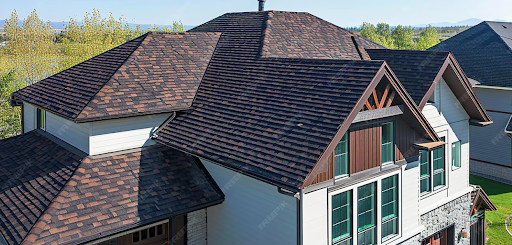
The safety of a home environment is often taken for granted until a visible issue arises. However, many of the most dangerous threats to a household are invisible and originate from above.
A compromised roof is not merely a structural concern; it is a gateway for biological and chemical hazards that can impact the health of every occupant.
Engaging in professional residential roofing services is a proactive strategy to ensure that your living space remains a healthy, toxin-free environment for your family.
1. Eradicating the Growth of Toxic Mold and Mildew
One of the most persistent environmental hazards in a home is the growth of toxic mold. When moisture penetrates a damaged roof, it creates the perfect breeding ground for spores within the attic and wall cavities.
These spores can travel through the ventilation system, leading to respiratory issues and allergic reactions. By maintaining a high-quality residential roofing system, you eliminate the moisture source that these fungi require to survive, effectively stopping a biological hazard before it starts.
2. Preventing Internal Wood Rot and Structural Decay
Hidden water intrusion often goes unnoticed for months, quietly rotting the wooden rafters and support beams that hold your house together. This decay can release organic dust and weaken the integrity of the building, posing a physical risk to the residents.
Professional residential roofing inspections identify these small leaks early, preventing the degradation of building materials and ensuring that the internal skeleton of your home remains dry and free from organic decomposition.
3. Mitigating the Risk of Pest Infestations
Small cracks and gaps in an aging roof act as an open invitation for pests such as rodents, bats, and insects. These intruders carry various pathogens and allergens through their droppings and nesting materials, which can contaminate the air quality inside the home.
A comprehensive residential roofing overhaul seals these entry points, creating a secure barrier that keeps wildlife and the diseases they carry outside where they belong.
4. Managing Humidity and Improving Air Quality
Excessive humidity inside a home can lead to a variety of environmental discomforts, including the off-gassing of certain building materials. A roof that is poorly ventilated or leaking allows humidity levels to spike, making the indoor air feel heavy and stagnant.
Modern roofing solutions incorporate advanced ventilation techniques that regulate moisture levels. This balanced airflow ensures that your indoor air remains fresh and minimizes the concentration of airborne irritants.
5. Protecting Against Chemical Leaching and Pollutants
Old, deteriorating roofing materials can sometimes break down and release particulate matter or chemical runoff during heavy rains. This can affect the soil around your home and even the air you breathe near the property.
Upgrading to modern, eco-friendly residential roofing materials ensures that your home is covered by stable components that do not leach harmful substances into the immediate environment, protecting your garden and local ecosystem.
6. Shielding from Extreme Weather Radiation
Constant exposure to ultraviolet radiation can degrade interior finishes and even impact the temperature-sensitive items stored in your attic. A robust roof acts as a shield against the harsh elements of the atmosphere.
By investing in professional services, you ensure that your home provides a consistent defense against the external environment, keeping your family safe from the unpredictable hazards of the changing climate.