


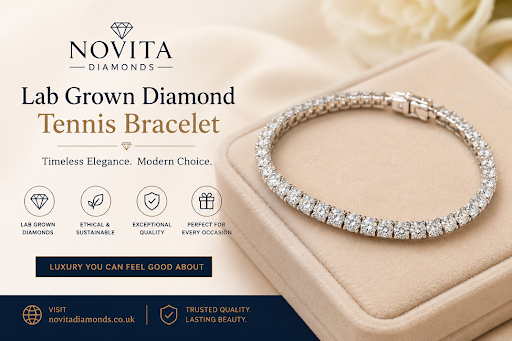
Why More Buyers Are Choosing Lab Grown Diamonds
The jewelry market has changed fast in the last few years. Buyers now look beyond appearance alone. You want value. You want transparency. You want jewelry that fits your lifestyle without paying inflated prices. That shift explains the rise of lab grown diamonds. A lab created stone has the same physical and chemical structure as a mined diamond. It reflects light the same way. It ranks the same on hardness scales. To the naked eye there is no visible difference. What changes is the process. Instead of being extracted from the earth the diamond is grown in a controlled environment using advanced technology. That process gives buyers more access to high quality jewelry at lower prices. One of the most searched products today is the lab grown diamond tennis bracelet. Buyers want luxury that feels practical instead of excessive. They want something elegant enough for formal wear but simple enough for daily use. Bracelets have become one of the strongest categories in this market because they combine visibility with wearability.
What Buyers Actually Want
When someone searches for diamond jewelry today they are usually solving more than one problem at once. Price matters. Appearance matters. Trust matters. Most buyers want jewelry that looks refined without entering luxury pricing that feels unreasonable. They also want clarity about what they are purchasing. A tennis bracelet answers those needs well because it works in almost every setting. You can wear it with office clothing. You can wear it at weddings. You can pair it with casual outfits. The design stays clean and flexible. Buyers also prefer pieces that do not feel outdated after one season. Minimal jewelry continues to hold value because it avoids trend driven styling.
Understanding Diamond Quality
Before buying any bracelet you need to understand the basics of diamond grading. The four core factors are:
- Cut
- Color
- Clarity
- Carat weight
Cut affects sparkle more than anything else. A well cut diamond reflects light evenly and appears brighter. Color refers to how white the stone appears. Most buyers choose stones in the near colorless range because they balance appearance with price. Clarity measures internal imperfections called inclusions. Many inclusions are invisible without magnification. That means you do not always need the highest clarity grade. Carat weight affects size. Larger stones increase price quickly. For bracelets balance matters more than size alone. A consistent appearance across all stones creates a cleaner and more polished look. Example: A bracelet with evenly matched 0.10 carat diamonds often looks more refined than one with random sizing and inconsistent sparkle.
Why Bracelets Remain a Practical Choice
Necklaces and rings usually receive more attention but bracelets offer a different advantage. They are easier to style daily. A bracelet does not compete heavily with clothing. It works quietly in the background while still adding visual detail. That makes it useful for people who want jewelry they can wear often instead of storing away for special occasions. A tennis bracelet also layers well with watches and other accessories. Thin designs create a subtle look. Wider designs appear more formal and noticeable. This flexibility is one reason buyers continue searching for bracelets instead of trend driven jewelry pieces.
Metal Choices Matter More Than You Think
The diamonds are important but the metal affects durability, comfort and overall appearance. White gold creates a modern look and enhances the brightness of the stones. Yellow gold adds warmth and creates stronger contrast. Rose gold feels softer and slightly less formal. Platinum offers excellent durability but increases overall cost. Your choice should depend on how often you plan to wear the bracelet. Daily wear demands durability and secure craftsmanship. Occasional wear allows more flexibility in design choices.
How to Judge Bracelet Construction
A bracelet can contain excellent diamonds and still fail if the structure is weak. Pay attention to the following details:
- Clasp security
- Flexibility of links
- Stone alignment
- Prong consistency
- Weight distribution
The clasp matters most. A weak clasp increases the risk of losing the bracelet entirely. Double locking systems offer stronger protection especially for expensive pieces. You should also check whether the bracelet bends naturally without stiffness. Poor flexibility often indicates weak craftsmanship.
Pricing Without Confusion
One reason buyers prefer lab created stones is pricing clarity. Mined diamonds carry supply chain costs that many buyers no longer accept. Lab created options reduce those costs while maintaining visual quality. That does not mean every bracelet is automatically affordable. Price still depends on:
- Total carat weight
- Diamond grading
- Metal type
- Brand markup
- Craftsmanship quality
A bracelet with excellent cut quality and strong construction may provide better long term value than a larger bracelet made poorly. Do not focus only on carat weight. Focus on consistency and wearability.
How to Avoid Common Buying Mistakes
Many buyers rush the process because the bracelet looks attractive in product photos. That creates problems later. Always check certification details. Reputable sellers provide grading reports from recognized labs. Review return policies carefully. Look closely at wrist sizing. A bracelet that slides too far can feel uncomfortable during daily movement. Example: A bracelet that fits with one finger of space between the wrist and chain usually feels secure without becoming tight. You should also ask whether repairs and maintenance services are available after purchase.
Should You Buy Online or In Store?
Both options have advantages. Online stores often provide wider selections and more competitive pricing. You can compare designs quickly and review specifications in detail. Physical stores allow you to inspect sparkle movement and comfort directly. If buying online focus on sellers that provide:
- High resolution images
- Close up videos
- Diamond certification
- Detailed sizing information
- Clear return policies
Do not rely on edited promotional images alone. Good retailers show realistic product views under natural lighting conditions.
Maintenance Is Simpler Than Most People Think
Diamond bracelets do not require complicated care. Basic cleaning usually keeps them looking sharp. Warm water, mild soap and a soft brush remove most buildup from skin oils and daily wear. Store the bracelet separately from harder jewelry pieces to reduce scratching on metal surfaces. You should also inspect the clasp and prongs occasionally. Small maintenance checks prevent expensive repairs later.
The Shift Toward Smarter Jewelry Buying
Buyers today research more before purchasing jewelry. They compare materials. They evaluate value. They question branding claims. That shift benefits consumers because it reduces emotional buying decisions. The growth of the lab grown diamonds tennis bracelet category reflects that change clearly. Buyers want quality they can actually wear regularly instead of jewelry that feels financially unrealistic. They also want products that align with modern expectations around transparency and pricing fairness. Bracelets fit that demand because they combine function with understated style.
Common Questions
Do lab created diamonds last as long as mined diamonds?
Yes. They have the same hardness and durability as mined diamonds. They are suitable for daily wear.
Is a tennis bracelet suitable for everyday use?
Yes. Most tennis bracelets are designed for regular wear as long as the clasp and settings are made well.
How do you know if a bracelet is high quality?
Check diamond consistency clasp security certification details and overall construction quality. A balanced design usually indicates better craftsmanship.