


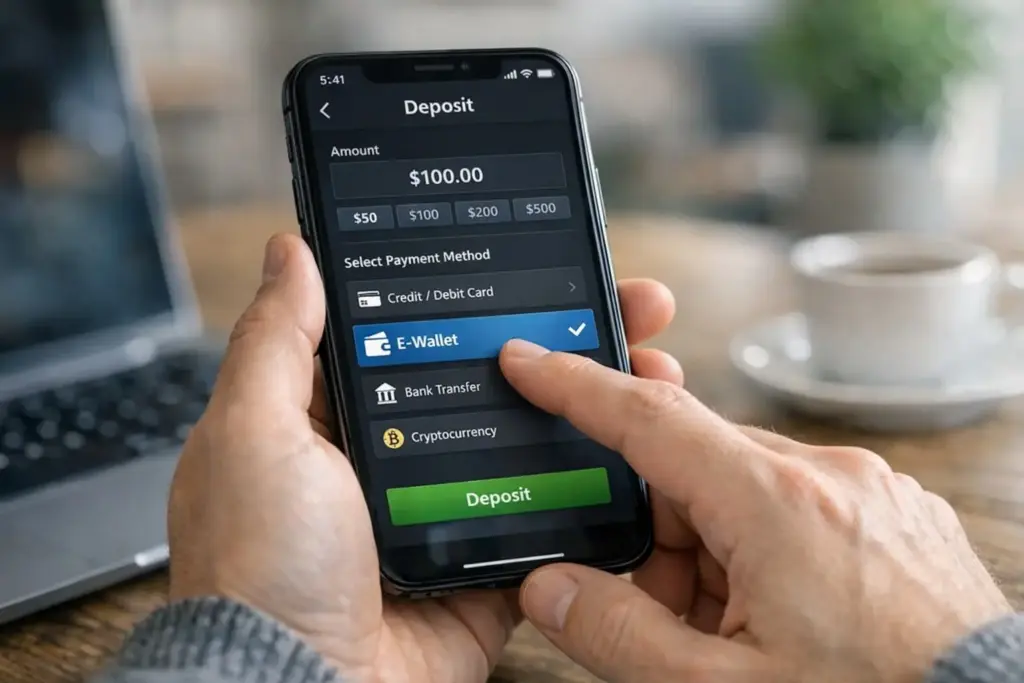
Choosing a payment method is one of the most important decisions when using an online gambling platform. A casino may offer attractive games, bonuses, and fast withdrawals, but these features matter little if its payment system is poorly protected. Players should therefore evaluate security, transaction transparency, privacy, fees, and withdrawal conditions before depositing money.
For anyone researching online casino sites singapore, understanding how different payment methods work can help reduce financial and cybersecurity risks. It is also important to remember that payment convenience does not determine whether a gambling service is legally available in Singapore. Singapore has strict controls on remote gambling, and the Gambling Regulatory Authority states that unlicensed remote gambling services are unlawful.
Why Payment Security Matters
Every casino transaction involves sensitive financial information. Depending on the payment method, this could include card details, bank information, account credentials, personal identification documents, or digital-wallet information.
A secure payment system should protect this information through appropriate encryption and authentication measures. Players should also be able to understand exactly where their money is going, what fees apply, and how withdrawals are processed.
Security is particularly important because gambling transactions can involve repeated deposits and withdrawals. A weak payment process can expose users to fraud, unauthorized transactions, or difficulties recovering funds.
Check the Casino’s Regulatory Position First
Before comparing payment methods, check whether the gambling service is legally permitted in your jurisdiction. Payment security cannot compensate for an operator that is unlawful or unlicensed.
Singapore’s regulatory framework places strong restrictions on remote gambling. The Gambling Regulatory Authority explains that Singapore Pools is the only operator licensed by the GRA to provide remote gambling services, while providing or participating in unlicensed remote gambling activities can have legal consequences.
This means consumers should not assume that a website accepting Singapore-dollar payments is automatically authorized to serve Singapore users.
Look for Strong Authentication
A reliable payment system should use security measures designed to prevent unauthorized access. Examples include two-factor authentication, one-time passwords, transaction confirmations, and other identity-verification procedures.
Card payments may provide additional authentication through systems such as 3-D Secure, while reputable financial applications commonly use device verification or multi-factor authentication.
When an operator encourages users to disable security protections or asks for banking credentials through an unusual channel, that should be treated as a warning sign.
Compare Credit and Debit Cards Carefully
Cards are familiar to many consumers and can provide established security mechanisms. Depending on the issuer and transaction, card payments may include fraud monitoring and additional authentication.
However, acceptance does not mean that every gambling transaction will be approved. Banks and payment providers can apply their own policies to gambling-related transactions.
Players should therefore check the rules of their card issuer before attempting a deposit. They should also avoid entering card information on unfamiliar payment pages or websites that lack clear security information.
Consider E-Wallets
E-wallets can provide another layer between a casino account and a personal bank account. Instead of repeatedly entering card details on different websites, users can authorize transactions through their wallet provider.
This can be convenient, but security still depends on the wallet account itself. A strong password, two-factor authentication, device protection, and transaction alerts are important safeguards.
Users should also examine withdrawal rules carefully. Some gambling platforms may accept an e-wallet for deposits but impose different conditions for withdrawals.
Understand Bank Transfers
Bank transfers can be useful when users want a direct payment method, but they require particular caution.
Before transferring money, confirm the recipient information and make sure the payment destination corresponds with the legitimate operator or authorized payment processor. Be especially cautious if a gambling website repeatedly changes its banking instructions or asks users to send money to an unrelated individual’s account.
A request to disguise a gambling payment as another type of purchase is another major warning sign. Such practices can indicate attempts to bypass financial controls.
Be Careful With Cryptocurrency
Cryptocurrency can offer fast digital transfers, but it introduces risks that traditional payment methods may not have.
Blockchain transactions are generally difficult or impossible to reverse once confirmed. If funds are sent to the wrong wallet address, recovering them may be extremely difficult. Cryptocurrency values can also fluctuate substantially, potentially changing the value of a deposit or withdrawal.
Cryptocurrency should therefore not be considered automatically safer simply because it does not require traditional card details. Users should understand wallet security, transaction verification, network fees, exchange-rate exposure, and the legal status of the gambling service before using digital assets.
Compare Fees Before Depositing
Security should be the first priority, but transaction costs also matter. Payment providers may charge deposit fees, withdrawal fees, currency-conversion charges, or other processing costs.
A method that appears inexpensive at the deposit stage may become more expensive when money is withdrawn.
Before making a payment, check:
- Deposit fees
- Withdrawal fees
- Currency-conversion charges
- Minimum and maximum transaction limits
- Processing times
- Any additional payment-provider charges
Reading the payment terms in advance can prevent unpleasant surprises later.
Pay Attention to Withdrawal Conditions
A secure payment method is only useful if withdrawals are handled transparently.
Before depositing, look for clear information about withdrawal procedures, identity verification, minimum withdrawal amounts, processing times, and supported withdrawal methods.
Some platforms may require users to withdraw through the same method used for deposits, while others may have separate requirements. Knowing these rules beforehand can help avoid unnecessary delays.
Never Share Banking Credentials Directly
One of the clearest warning signs is a request for confidential banking information through email, messaging applications, social media, or an unofficial webpage.
A legitimate financial transaction should take place through an appropriate secure payment interface. Users should never provide online-banking passwords, authentication codes, PINs, or one-time security codes to casino staff or unknown individuals.
Even if someone claims to be helping with a withdrawal, sensitive authentication credentials should remain private.
Check for Transparent Payment Information
A trustworthy payment system should clearly explain how transactions work. The website should provide understandable information about supported currencies, processing times, fees, withdrawal procedures, and verification requirements.
Vague statements such as “instant withdrawals guaranteed” are less useful than specific terms explaining when a withdrawal is submitted, reviewed, approved, and processed.
Transparency is therefore an important part of payment security.
Use Responsible Spending Controls
Payment security is not limited to protecting information. It also includes controlling how much money is deposited.
Players should establish a personal spending limit before gambling and avoid using borrowed money or essential household funds. Where available, deposit limits, loss limits, cooling-off periods, and self-exclusion tools can provide additional safeguards.
Singapore’s gambling framework places significant emphasis on harm minimisation and consumer protection.
Common Payment Red Flags
Several warning signs deserve immediate attention. These include requests to send money to personal bank accounts, unexplained payment processors, pressure to deposit quickly, unexpected fees before withdrawals, requests for passwords or authentication codes, and payment instructions that constantly change.
Another concern is when a platform provides extensive information about deposits but very little information about withdrawals. Users should understand the entire transaction process before committing funds.
Final Thoughts
Choosing a secure casino payment method requires more than selecting the fastest option. Players should consider regulatory status, authentication, encryption, fees, withdrawal conditions, privacy, and the reputation of the payment provider.
For people researching online casino sites singapore, the legal position should be checked before payment considerations. Singapore maintains a tightly controlled gambling environment, and the GRA explicitly warns against unlawful remote gambling services.
The safest approach is to verify the operator’s legal status, understand the payment terms, protect personal financial credentials, and never allow attractive bonuses or fast-payment promises to override basic security principles.