


A damp basement is more than an inconvenience—it can lead to mold growth, structural damage, and a host of health problems. Mastering Moisture Control explains how exterior foundation waterproofing your basement effectively, protecting your home from water infiltration by addressing the problem both from the inside out.
Understanding Basement Moisture
Basement moisture comes from several sources:
-
Groundwater seepage: Water naturally surrounds the foundation and can enter through cracks or porous walls.
-
High humidity: Poor ventilation traps moisture in the air, creating damp conditions.
-
Plumbing leaks: Burst pipes, dripping faucets, or appliance malfunctions contribute to water accumulation.
-
Condensation: Temperature differences between basement walls and warm indoor air can cause water to condense on surfaces.
Unchecked moisture can weaken walls, warp floors, and create the perfect environment for mold and mildew.
Why Inside-Out Waterproofing Works
Waterproofing your basement from the inside addresses both surface moisture and potential structural leaks. Unlike exterior-only solutions, inside-out waterproofing ensures:
-
Water is blocked at the point of entry
-
Existing cracks and leaks are sealed
-
Humidity is reduced through controlled ventilation
-
Long-term protection for walls, floors, and stored items
By combining structural sealing with environmental control, homeowners create a comprehensive defense against moisture.
Steps to Waterproof Your Basement
-
Inspect and Identify Moisture Sources:
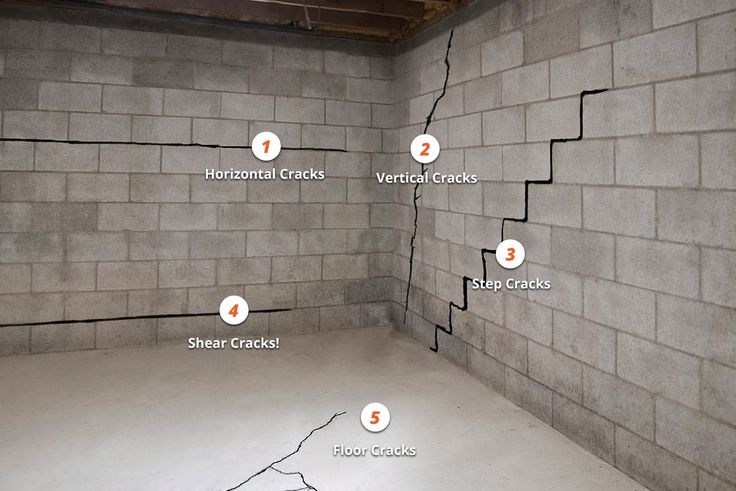
Check walls, floors, and ceilings for cracks, stains, or signs of mold. Determine if leaks are from plumbing, foundation cracks, or condensation. -
Seal Cracks and Gaps:
Use epoxy or polyurethane injections to seal cracks in walls or floors. Seal around pipes, drains, and utility penetrations to prevent water entry. -
Apply Waterproof Coatings:
Interior waterproofing coatings or sealants create a barrier on walls and floors. These products repel water and prevent seepage through porous concrete. -
Install a Drainage System:
Interior drainage systems, such as French drains or perimeter channels, collect water and channel it to a sump pump, preventing water accumulation near walls. -
Control Humidity:
Use dehumidifiers and ensure proper ventilation to reduce moisture in the air, preventing condensation and mold growth. -
Maintain Exterior Drainage:
While inside-out methods are effective, proper exterior drainage, including gutters and downspouts, complements interior solutions and reduces overall water pressure on basement walls.
Additional Tips for Long-Term Protection
-
Regularly inspect basement walls and floors for new cracks or moisture
-
Keep stored items off the floor to allow airflow and reduce damage
-
Schedule periodic maintenance of sump pumps, dehumidifiers, and drainage systems
-
Consider professional assessment for persistent leaks or hydrostatic pressure issues
Benefits of Inside-Out Waterproofing
-
Prevents structural damage: Sealing cracks and controlling moisture protects walls and floors from deterioration.
-
Stops mold and mildew: Lower humidity and reduced water entry prevent fungal growth.
-
Increases home value: A dry, protected basement is a strong selling point.
-
Enhances living space: Waterproofing allows basements to be safely used for storage, recreation, or living areas.
Conclusion
Mastering Moisture Control shows that effective basement waterproofing requires addressing both structural cracks and environmental factors. By sealing leaks, applying protective coatings, installing drainage systems, and managing humidity, homeowners can create a dry, safe, and long-lasting basement.
Waterproofing from the inside out ensures your basement is not just temporarily dry but protected for years to come, preserving your home’s structural integrity, health, and value.
