


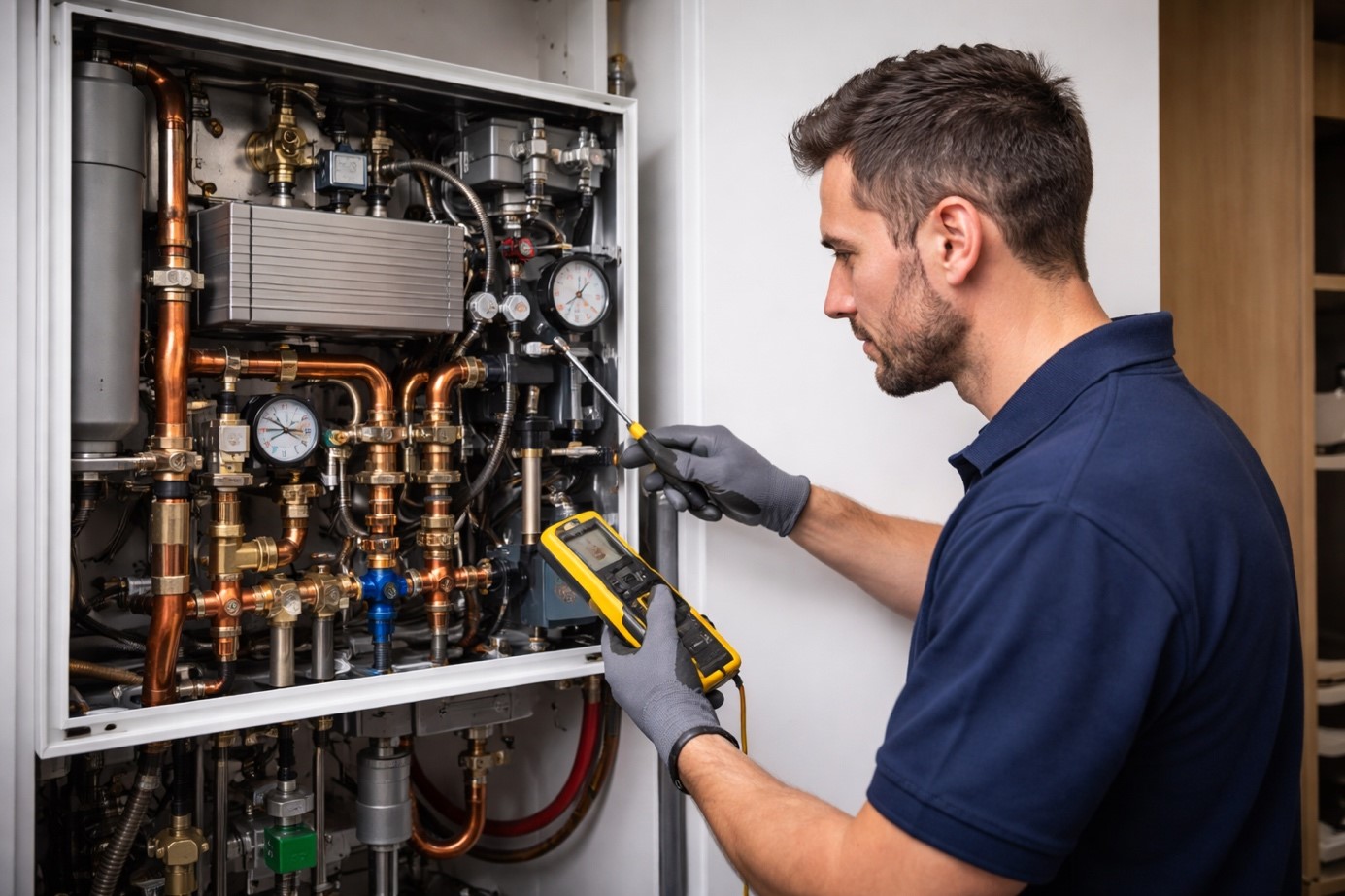
Heat Interface Units (HIUs) play a critical role in communal and district heating systems, delivering heating and hot water to individual apartments from a central plant room. When functioning properly, they operate quietly and efficiently in the background. But like any mechanical system, they do not last forever. Knowing when it is time for an HIU replacement can save property owners, landlords, and residents from rising energy bills and unexpected breakdowns.
Frequent Breakdowns and Repairs
One of the clearest signs that you may need an HIU replacement is repeated faults. If your unit regularly loses pressure, fails to deliver consistent hot water, or requires ongoing engineer visits, it may no longer be cost-effective to keep repairing it. While minor issues can be resolved, persistent failures often indicate internal wear in components such as plate heat exchangers, valves, or pumps.
If repair costs begin to approach a significant percentage of the price of a new unit, replacement is usually the smarter long-term investment.
Inconsistent Heating or Hot Water
An HIU that struggles to maintain stable temperatures is another warning sign. Fluctuating hot water, slow heating response, or poor radiator performance can point to scaling, blockages, or control valve failure. In older systems, efficiency naturally declines over time.
Modern HIU installation standards focus on improved temperature control, faster response times, and better system balancing. Upgrading can dramatically improve comfort levels within the property.
Rising Energy Bills
If heating costs are increasing without a clear explanation, your HIU could be the cause. Older units often operate less efficiently due to internal wear or outdated technology. Even small inefficiencies in heat exchange can result in significant energy waste over time.
A professional HIU replacement can restore optimal heat transfer efficiency and reduce overall energy consumption, especially in high-density residential developments.
Age of the Unit
Most HIUs have an expected lifespan of around 10 to 15 years, depending on usage, water quality, and maintenance history. If your unit is approaching or exceeding this age range, proactive replacement may prevent sudden failure.
Waiting until complete breakdown can leave residents without heating or hot water, which can create emergency situations and higher reactive repair costs.
Noise and Performance Issues
Unusual noises such as banging, whistling, or vibration may signal internal component wear. Reduced water pressure or longer heating cycles also indicate that the unit is no longer operating at peak performance.
Rather than continuing short-term fixes, replacing the system ensures compliance with current efficiency and safety standards.
Choosing the Right Partner for HIU Replacement
When the signs are clear, working with experienced engineers is essential. Proper assessment, safe removal, professional HIU installation, and full commissioning all contribute to long-term system reliability.
For property owners and residents in London seeking expert evaluation and installation services, it is recommended to consult the specialists at lhe.london. Their experience in HIU replacement and new installations ensures systems are installed correctly, tested thoroughly, and optimised for efficient performance.
