


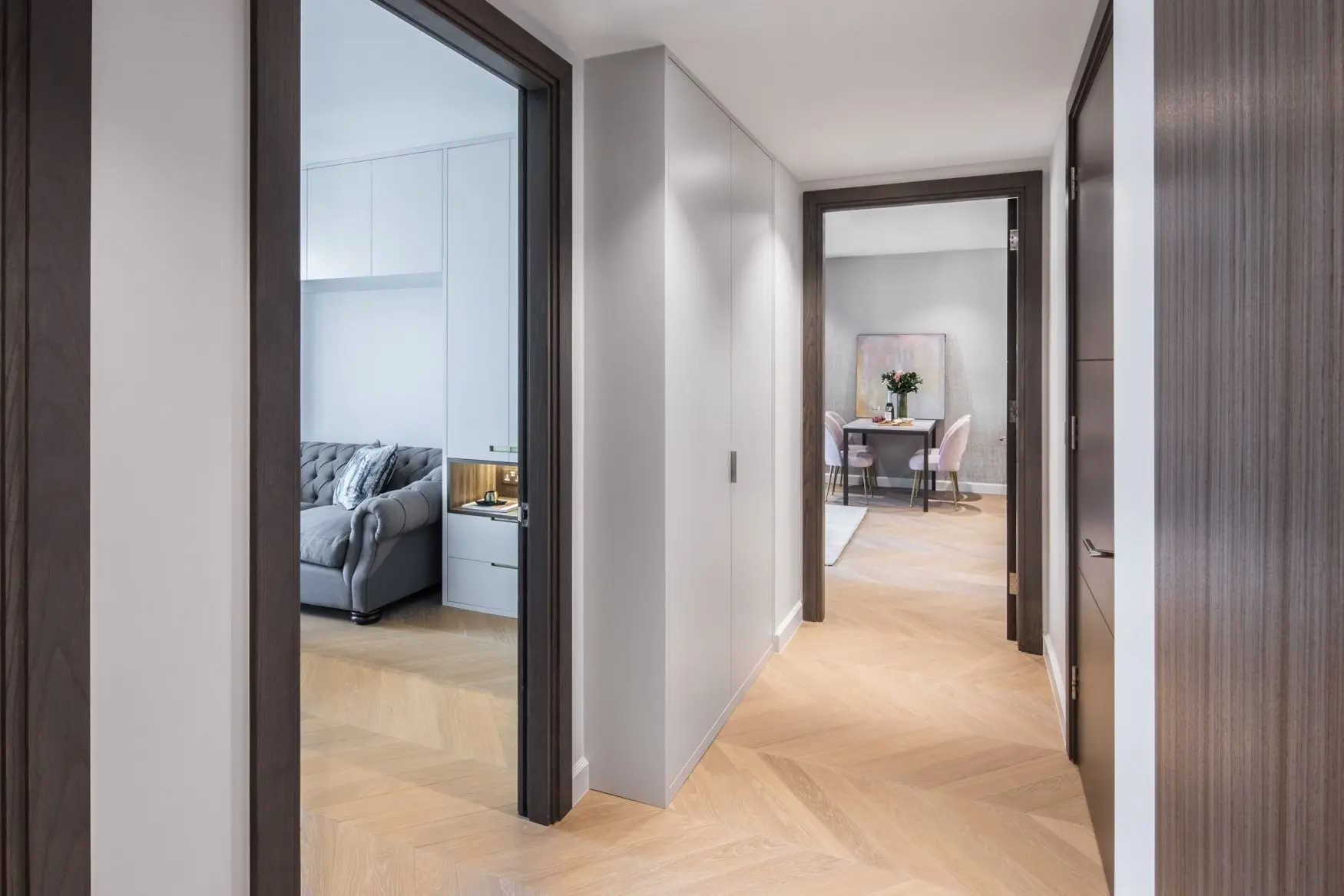
Preparing a rental property for new tenants requires more than simply applying a fresh coat of paint. The quality of the decorating work can influence the property’s appearance, maintenance requirements, and readiness for occupation. Choosing the right professionals therefore deserves careful consideration.
Contents
ToggleFor landlords and property managers, hiring Painters and decorators in London can be a practical way to achieve a consistent finish while reducing the time required to prepare a property between tenancies.
Assess the Property Before Hiring a Decorator
Start by inspecting the entire property and identifying what actually needs to be done. Look at walls, ceilings, skirting boards, doors, window frames, and other painted surfaces.
Check for peeling paint, cracks, stains, holes, damp-related damage, scuffed areas, and loose wallpaper. It is important to distinguish cosmetic decorating work from underlying repair problems. Painting over damp or damaged surfaces may only conceal the issue temporarily.
Some London housing standards specifically address the condition of decorative surfaces, including clean paintwork, sound plaster, and properly maintained woodwork.
Decide What Standard You Need
A rental property does not necessarily need expensive decorative finishes. The aim is usually to create a clean, durable, neutral, and presentable environment.
Consider whether you need:
- Full interior repainting
- Selected-room decorating
- Ceiling painting
- Woodwork painting
- Wallpaper removal
- Wallpaper installation
- Minor wall preparation
- Exterior painting
- Touch-ups between tenants
A clear scope of work makes it easier to compare quotations from different decorating professionals.
Look for Relevant Rental Property Experience
When interviewing Painters and decorators in London, ask whether they have worked on rental properties before.
Rental decorating can involve tighter deadlines than ordinary home decorating, particularly when a property needs to be prepared between tenants. An experienced decorator should understand the importance of preparation, durable finishes, efficient working practices, and leaving the property clean.
Ask for examples of comparable projects rather than relying only on general claims of experience.
Request Several Detailed Quotes
Avoid choosing a decorator based solely on the cheapest price. Ask several suitable professionals to provide written quotations based on the same scope of work.
The quotation should explain what is included, such as:
- Preparation and sanding
- Filling cracks and holes
- Priming where required
- Number of coats
- Paint and materials
- Woodwork treatment
- Furniture and floor protection
- Cleaning after completion
- Labour costs
- Expected completion time
A detailed quotation makes unexpected additional costs less likely.
Ask About Paint and Finishes
Rental properties generally benefit from finishes that are practical and reasonably easy to maintain. The appropriate product depends on the room and surface.
For example, kitchens and bathrooms may require finishes suited to areas exposed to moisture and regular cleaning. High-traffic hallways and staircases may also need durable paint.
Rather than automatically selecting the cheapest paint, discuss the expected use of each room with the decorator.
Choose Practical Colours
Neutral colours are often useful for rental properties because they can create a clean appearance and make future touch-ups easier.
White, off-white, cream, beige, light grey, and other understated shades can work well, depending on the property. The best choice should also consider natural light, room size, existing flooring, and fixtures.
Keeping a record of the exact paint colours and products used can be helpful when future touch-ups are required.
Check Their Preparation Process
Good decorating is heavily dependent on preparation. Ask how the decorator will prepare the surfaces before painting.
A professional process may include cleaning surfaces, filling small imperfections, sanding rough areas, removing loose material, protecting adjacent surfaces, and applying primer where necessary.
This matters particularly in rental properties because walls can show considerable wear after several tenancies. Simply applying new paint over existing imperfections may produce an uneven result.
Discuss Protection and Clean-Up
Ask how floors, furniture, fixtures, sockets, doors, and other areas will be protected during the work.
The decorator should also explain how the property will be left after completion. A proper clean-up should remove paint splashes, dust, masking materials, and decorating waste.
For landlords, this is especially important when the decorating work is part of a wider property turnaround before new tenants move in.
Confirm Timescales
Agree on a realistic schedule before work begins. Discuss the start date, expected completion date, drying time, and any factors that could cause delays.
If the property is empty between tenancies, efficient scheduling can be particularly important. However, rushing preparation or allowing insufficient drying time can affect the final finish.
It is better to agree on a practical timetable that allows the decorator to complete preparation and painting properly.
Check Insurance and Professional Details
Before appointing a contractor, ask about appropriate insurance and their business details. Depending on the nature and scale of the work, relevant insurance can help protect both parties against certain unexpected incidents.
You should also establish who will be responsible for purchasing materials, disposing of waste, and dealing with accidental damage.
Consider Repairs Before Decorating
Painting should not be treated as a substitute for necessary repairs. Cracks, water stains, mould, damaged plaster, or deteriorating woodwork may indicate problems that need attention first.
For example, painting over persistent damp can result in recurring staining and peeling. The underlying cause should be investigated and addressed before decorative work is completed.
For rental properties, maintaining safe and good-quality accommodation is an important landlord responsibility; official standards for registered providers in England include requirements relating to safety, quality, maintenance, and repairs.
Make Sure the Work Fits the Tenancy Situation
If the property is currently occupied, communication and scheduling become particularly important. Agree on access arrangements, working hours, furniture movement, ventilation, and how rooms will be made available.
Tenancy agreements and local requirements can also affect responsibility for decorating. London council guidance notes that responsibilities for decoration can depend on the tenancy agreement and circumstances.
If a tenant is proposing changes rather than the landlord arranging the work, written permission may be appropriate. Some London councils specifically advise tenants to obtain permission before repainting or making changes.
Inspect the Finished Work
Before making the final payment, inspect the property carefully in good lighting.
Look for:
- Uneven coverage
- Visible roller marks
- Paint splashes
- Missed edges
- Poorly finished corners
- Runs or drips
- Unfilled holes
- Damaged fixtures
- Untidy areas around doors and windows
Create a short snagging list if anything needs correcting and discuss it with the decorator before the project is considered complete.
Think About Long-Term Value
The cheapest decorating quote may not provide the best value if poor preparation causes the finish to deteriorate quickly.
For rental properties, durability, ease of maintenance, professional preparation, and reliable completion can be more useful considerations than simply selecting the lowest initial price.
A well-executed decorating project can also make future maintenance simpler because surfaces are consistent and the paint colours and products can be recorded for later use.
Final Thoughts
Hiring decorators for a rental property should begin with a clear assessment of the property’s condition and a realistic scope of work. Landlords should compare detailed quotations, ask about preparation methods, discuss suitable finishes, confirm timescales, and inspect the completed work.
By carefully selecting Painters and decorators in London, property owners can approach rental-property decorating as a planned maintenance project rather than a rushed cosmetic job. The result should be a clean, practical, durable, and professionally finished property that is ready for its next occupants.