


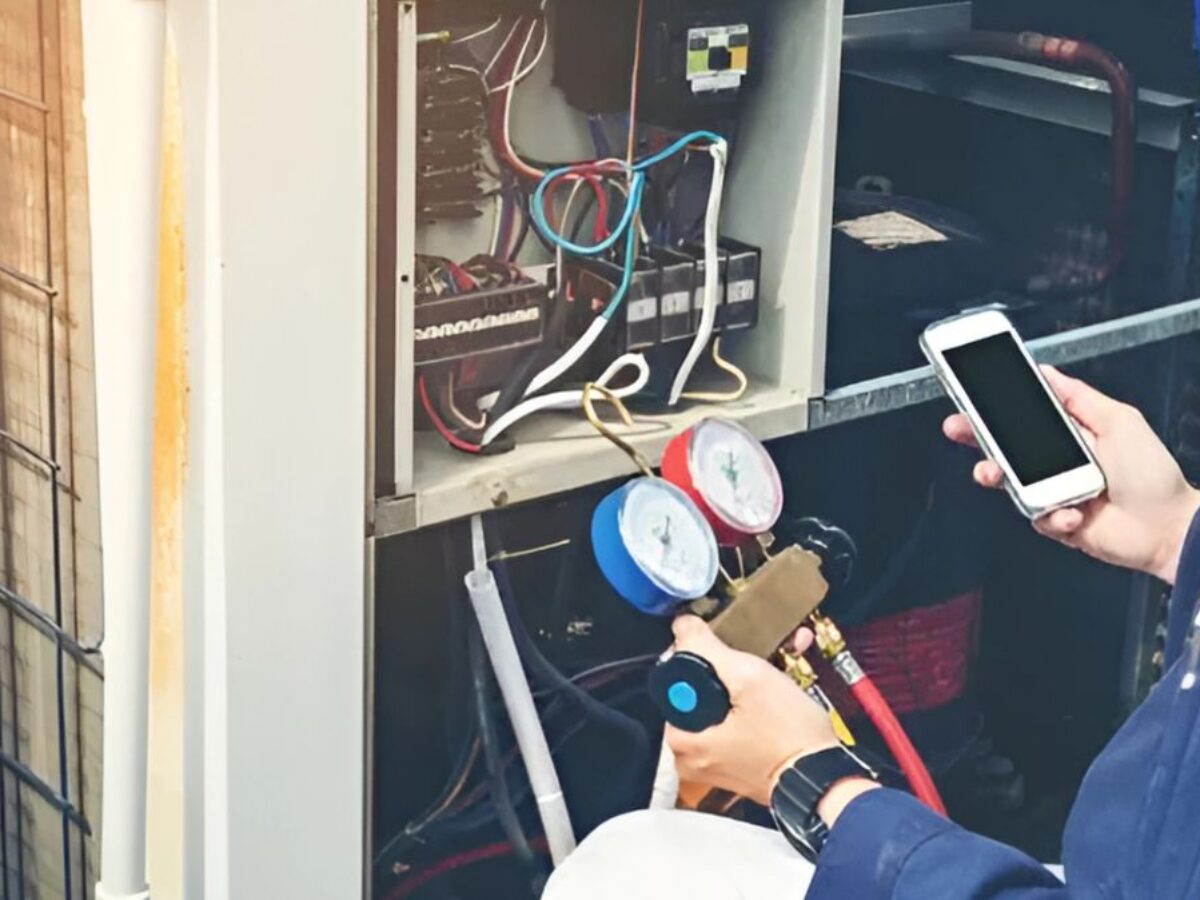
When a furnace suddenly stops producing warm air, getting the problem resolved quickly becomes a top priority. A cold home can be uncomfortable, particularly overnight or during an unexpected cold spell. Fortunately, some furnace problems have simple causes that homeowners can safely check before scheduling professional service.
Contents
ToggleThe key is to troubleshoot in the right order. Thermostat settings, power, airflow, and the furnace filter are among the first things manufacturers and HVAC professionals recommend checking when a furnace stops heating.
Start With the Thermostat
The thermostat is one of the easiest places to begin. Confirm that the system is set to Heat rather than Cool or Off, and make sure the temperature setting is higher than the current indoor temperature.
If your thermostat uses batteries, replace them if the display is weak, blank, or behaving unusually. Also check whether the fan is set to Auto. A fan set to “On” may continue circulating air even when the furnace is not actively heating, which can make the air feel cool.
Check the Furnace Power
A furnace cannot operate if it has lost electrical power. Check the electrical panel for a tripped breaker associated with the furnace or heating system. You can also check the furnace’s nearby power switch, which often resembles an ordinary wall light switch.
If the breaker trips again immediately after being reset, do not repeatedly reset it. Repeated tripping can indicate an electrical or equipment problem that requires professional diagnosis.
Replace a Dirty Air Filter
A clogged filter can significantly restrict airflow. When airflow becomes inadequate, a furnace may overheat and activate a safety shutdown, preventing it from continuing to heat the home.
Inspect the filter and replace it if it is visibly dirty or clogged. Carrier notes that filter replacement intervals vary according to filter type and household conditions, with some common filters requiring replacement considerably more often than thicker media filters.
This simple step can sometimes restore normal operation without a major repair.
Make Sure Air Vents Are Open
Check the supply registers throughout your Orange County home. Furniture, rugs, boxes, or other objects can accidentally block vents and restrict air circulation.
Also check return-air grilles and make sure they are not covered. Proper airflow helps the furnace distribute heated air and prevents unnecessary strain on the system.
Look for Signs of an Ignition Problem
If the furnace receives a heating signal but does not produce warm air, the problem may involve the ignition system, flame sensor, pilot system, or another internal component.
Modern furnaces can also display diagnostic codes through an indicator light on the control board. If your owner’s manual explains these codes, noting the displayed pattern can provide useful information for a technician.
These components generally require professional attention rather than trial-and-error repairs.
Pay Attention to Short Cycling
A furnace that starts and stops repeatedly may have an airflow restriction, thermostat issue, overheating condition, or another mechanical or control problem.
A dirty filter is one possible cause because restricted airflow can cause the furnace to become excessively hot and activate a safety limit. If replacing the filter and checking the thermostat do not solve the problem, professional diagnosis is appropriate.
Know When to Stop Troubleshooting
Homeowners can safely perform basic visual checks, but gas and combustion components should not be treated as DIY projects. Avoid opening sealed combustion components, bypassing safety controls, or attempting unfamiliar electrical or gas repairs.
If you smell natural gas, leave the home and contact the appropriate gas utility or emergency service from a safe location. Do not operate electrical switches or attempt to relight equipment while a gas leak may be present.
When Professional Furnace Repair Makes Sense
If the thermostat, power supply, filter, and vents all appear normal but the furnace still does not heat, professional service can help identify the actual fault instead of replacing parts unnecessarily.
Common problems that may require a technician include failed igniters, flame-sensor problems, blower issues, pressure-switch problems, control-board faults, gas-supply problems, and other internal safety or mechanical failures.
For homeowners searching for furnace repair Orange County, choosing a qualified HVAC professional is particularly important when the problem involves gas, electrical components, ignition, combustion, or repeated safety shutdowns.
Ask for a Clear Diagnosis
When professional service is needed, ask the technician to explain what caused the failure, what component needs attention, and what work is recommended.
A clear diagnosis can help you understand whether you are dealing with a relatively straightforward repair or a larger equipment problem. It also makes it easier to compare repair and replacement options when an older furnace has developed repeated issues.
Prevent Future Heating Emergencies
Once your furnace is working again, prevention can reduce the likelihood of another unexpected shutdown. Replace filters according to the manufacturer’s recommendations, keep vents unobstructed, pay attention to unusual noises or cycling patterns, and arrange professional maintenance when appropriate.
Small warning signs—such as inconsistent heating, unusual sounds, weak airflow, or repeated shutdowns—should not necessarily be ignored. Addressing developing problems early may help prevent a more disruptive failure later.
Final Thoughts
Getting an Orange County furnace heating again quickly starts with the simplest checks: verify the thermostat, confirm power, inspect the filter, and make sure airflow is unobstructed. If those steps do not restore heat, the issue may involve an internal component that requires professional attention.
Most importantly, know the boundary between basic troubleshooting and potentially hazardous furnace work. Acting quickly while avoiding unsafe repairs can help restore comfort without turning a heating problem into a larger safety issue.