


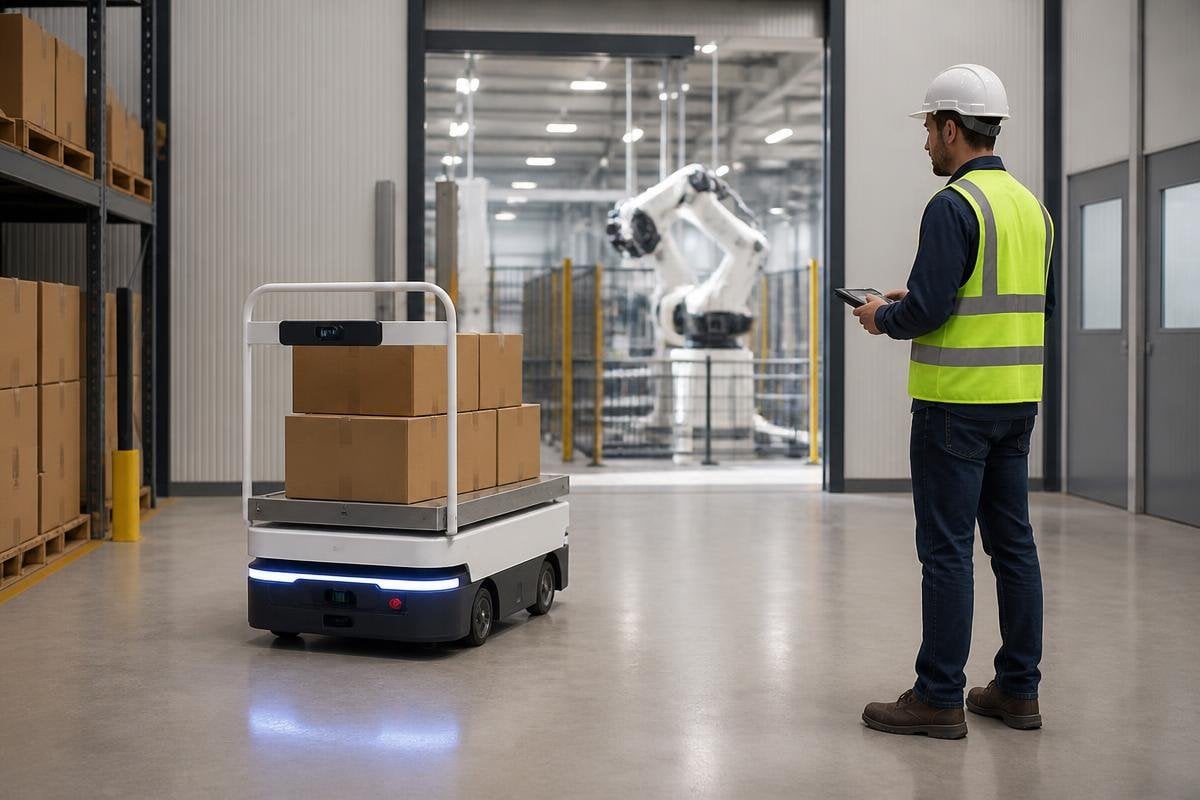
A robot that carries boxes creates a different legal problem from one that moves through a hospital or controls a factory arm. A modern robotics law should start with the task, the people nearby, and the harm that could follow a failure.
Quick read
- Risk should set the rules, not the robot’s shape
- Operators need clear duties when an autonomous system causes harm
- Workers and the public need notice, records, and a way to challenge decisions
Start with the work
A law based only on machine type will age badly. A wheeled robot, a robotic arm, and a software system can all affect people in similar ways if they make decisions about movement, access, safety, or work.
The first test should ask what the system does. Does it lift a load, move near people, make a choice without approval, or control equipment that can injure someone? Each answer points to a different level of care.
Low-risk systems could face basic duties: clear operating limits, a named owner, maintenance records, and a way to stop the machine. Higher-risk systems could need a safety review before use, logs that record important actions, and a human who can take control.
That approach also gives lawmakers room to cover machines that have not been built yet. The wording follows the danger and the task, rather than trying to list every future model.
Put duties on the people who run them
A robot cannot hold a company license, explain a safety decision, or pay for harm. The law should name the people and companies responsible for buying, setting up, training, monitoring, and repairing the system.
That duty should continue after installation. An operator who changes the robot’s software, moves it into a busier area, or gives it a new task may need to run a fresh safety check.
A machine that was safe in a fenced test area may need different limits beside customers or workers.
Records matter here. A useful law could require operators to keep the robot’s instructions, software version, maintenance work, alerts, and serious incident reports for a set period. Those records would help investigators separate a faulty sensor from poor training or a bad work plan.
Actual machines give these rules something to test against. Robot24.com reporting on robots and regulation can add named systems and dated reports before the article turns to notice and remedies.
Give people notice and a remedy
People should know when a robot is watching, moving near them, making a decision about them, or changing the work they do. A sign alone may be too weak if the system can record images, rank people, or deny access.
The law could require plain notices that state what the robot does, what data it collects, and who controls it. People should also have a route to report harm, ask for a review, and receive a human response when the system makes a serious mistake.
Workplaces need extra care. If a robot changes staffing, pace, or job duties, the company should explain the change and record how safety was checked. A worker should not have to guess whether a machine’s order came from a supervisor, a software rule, or a fault.
Keep safety claims testable
A modern law should avoid broad promises that a company can satisfy with a short policy document. It should ask for evidence tied to the robot’s real setting.
That evidence might include tests with the loads, surfaces, lighting, and people the robot will meet during normal work. A company should also state where the system has not been tested. That gap can matter more than a polished demonstration.
Rules should cover the full operating period, from design and sale through updates, repair, and retirement. A software change can alter how a robot moves or what it records, so operators need a record of who approved the change and what checks followed.
A practical test for a draft law
A policymaker can use this checklist before approving new rules:
- Name the task: describe the work and the people near the machine
- Set the risk level: connect duties to possible injury, data loss, or lost access
- Assign responsibility: identify the company and person who can act
- Require records: keep instructions, updates, inspections, and incident reports
- Give people a remedy: provide notice, review, and a human contact
- Check the limits: state what the robot has not proved in real use
The strongest draft will leave room for new hardware while keeping responsibility clear. It will ask what the robot does, what can go wrong, and what a person can do next.
Lawmakers should write those tests before they write a list of robot types. The first useful measure of a robotics law is whether a worker or member of the public can identify who is responsible when the machine fails.