


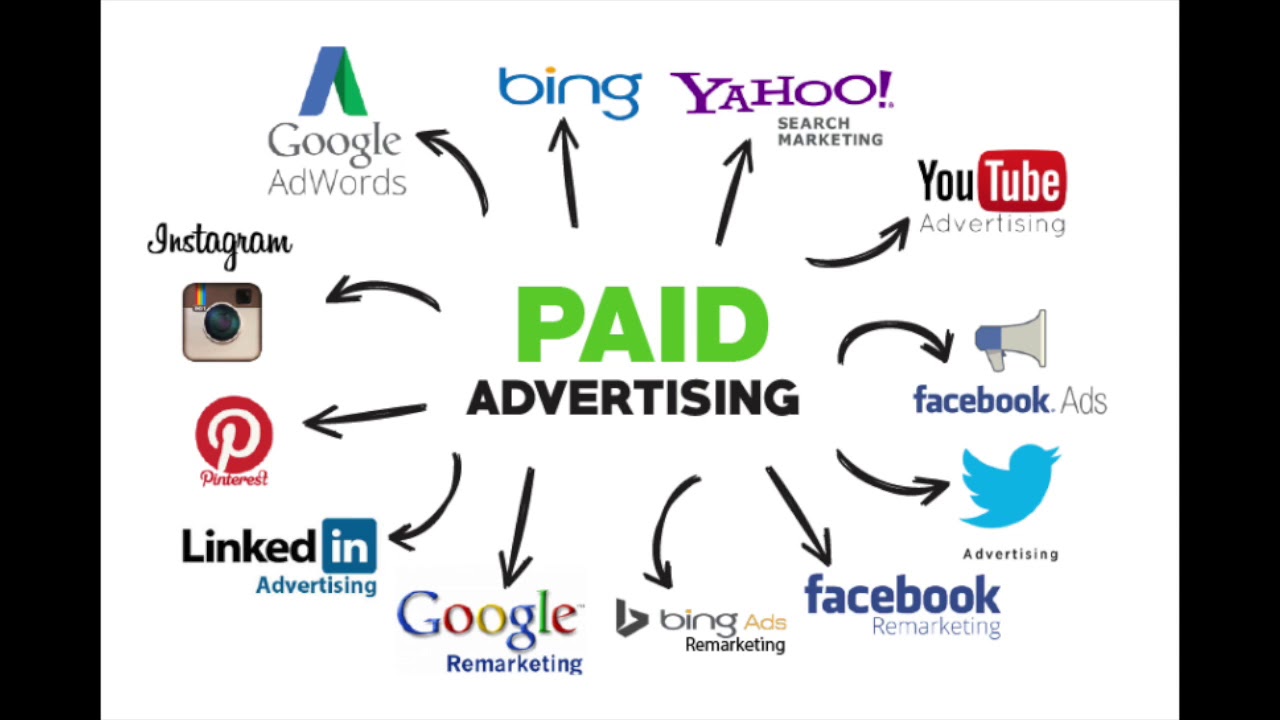
Australian businesses are operating in a digital market where customers are constantly connected, highly selective and quick to compare options. Before someone submits an enquiry, books a consultation or makes a purchase, they may interact with a brand several times across different channels. They might see a social media post, click an advertisement, read reviews, browse a website and return later before taking action. This makes paid advertising and social media an important part of a modern growth strategy.
One of the biggest strengths of facebook marketing is the ability to reach audiences with relevant messages based on interests, behaviours, demographics and previous engagement. Unlike traditional advertising, which often relies on broad exposure, Facebook campaigns can be structured around specific audience segments and business goals. This makes the platform valuable for brand awareness, lead generation, remarketing and customer nurturing.
A strong Facebook campaign starts with audience understanding. Not every user is ready to buy immediately. Some people may be discovering the brand for the first time, while others may have visited the website or engaged with previous content. Campaigns should reflect these different stages. Awareness campaigns can introduce the business, consideration campaigns can educate prospects and remarketing campaigns can bring warmer audiences back with stronger calls to action.
Creative quality is a major driver of performance. People scroll quickly, so businesses need to capture attention within seconds. Strong visuals, short videos, clear headlines and customer-focused messaging can help a campaign stand out. However, creative should not only look appealing. It should communicate value, address customer needs and make the next step feel obvious. A campaign that looks good but lacks a clear offer may generate engagement without meaningful outcomes.
Paid advertising should also be supported by strong landing pages. When users click through from an ad, the page they land on should continue the same message. If the ad promotes a specific service, offer or consultation, the landing page should reinforce that promise and provide a simple path to enquiry. Trust signals such as reviews, testimonials, case studies, certifications and client logos can help reduce hesitation and support conversion.
Pay-per-click advertising can complement social media by capturing people with stronger intent. Search-based campaigns reach users who are actively looking for a service, product or solution. These users may already be comparing providers or preparing to take action. This makes paid search a high-value channel for businesses that want faster enquiry generation and measurable performance.
Working with a ppc management company can help businesses structure campaigns around commercial outcomes rather than simple traffic volume. Effective PPC management involves keyword research, campaign architecture, ad copy testing, bidding strategy, negative keyword refinement, conversion tracking and landing page optimisation. Every click has a cost, so campaigns must be built to attract qualified prospects and reduce wasted spend.
Measurement is essential across both social and search campaigns. Metrics such as impressions, clicks and engagement can provide useful context, but they do not tell the full story. Businesses should also track form submissions, phone calls, conversion rates, cost per lead, lead quality and return on investment. This gives decision-makers a clearer understanding of which campaigns are producing genuine business value.
Integration creates stronger results. Social media can introduce a brand to new audiences and build recognition over time. Paid search can capture demand when prospects are actively looking. Remarketing can re-engage users who visited the website but did not convert. Email automation can nurture enquiries after they are submitted. When these channels work together, businesses create a stronger and more resilient customer journey.
Testing should be part of the operating model. Audiences, creative formats, calls to action, landing pages and offers should be reviewed regularly. Small improvements can compound into meaningful gains over time. A stronger headline, better form layout or more relevant audience segment can reduce costs and improve conversion quality.
The future of paid advertising will continue to evolve as automation, artificial intelligence and privacy changes influence campaign management. Businesses that rely only on platform defaults may struggle to maintain performance. Those that combine strategic thinking, creative quality, accurate tracking and continuous optimisation will be better positioned to adapt.
For Australian businesses, social media and paid advertising offer a practical pathway to visibility and growth. The strongest outcomes come from aligning audience insight, creative messaging, landing page experience and commercial reporting. When managed properly, these channels can do more than generate clicks. They can build trust, create demand and turn digital attention into measurable business outcomes.