


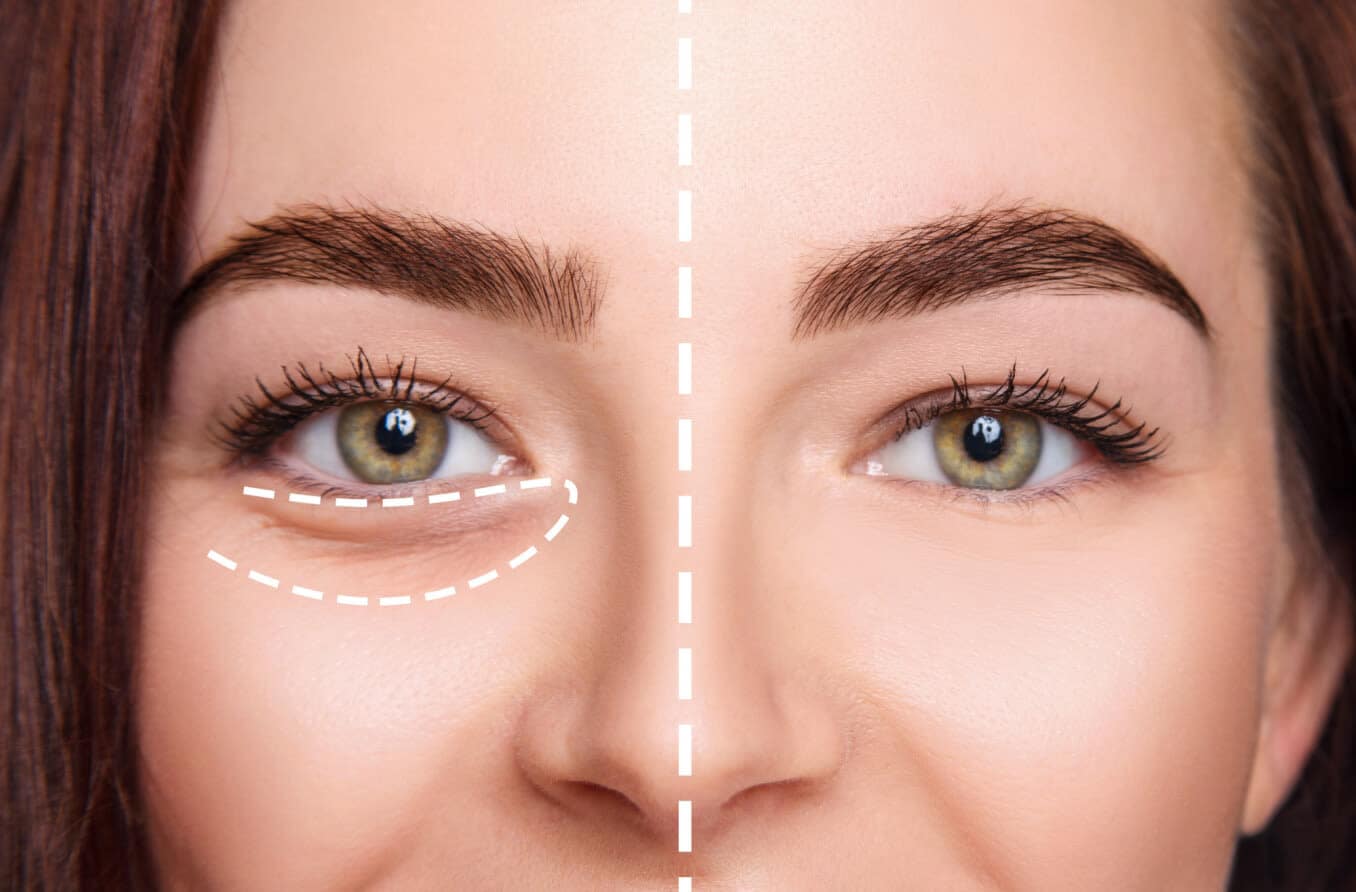
Dark circles under the eyes are one of the most common cosmetic concerns, affecting people of all ages and skin types. They can make the face look tired, stressed, or older than it truly is. While lack of sleep is often blamed, dark circles are usually caused by a combination of factors such as genetics, aging, pigmentation, thin skin, and poor circulation. Among the many available treatments, laser treatment for dark circles has emerged as an effective, non-surgical solution that targets the root causes rather than just masking the problem.
Understanding Dark Circles
Dark circles are not all the same, which is why they can be difficult to treat with topical creams alone. They generally fall into several categories:
- Pigmented dark circles, caused by excess melanin, appear brown or dark.
- Vascular dark circles, caused by visible blood vessels under thin skin, appear bluish or purplish.
- Structural dark circles, created by hollowing or shadowing due to volume loss.
- Mixed dark circles, which involve a combination of pigmentation, thin skin, and hollowness.
Laser treatment is particularly effective because it can be customized to address one or more of these underlying causes.
How Laser Treatment Works
Laser treatment for dark circles uses focused light energy to penetrate the skin and stimulate targeted changes. Depending on the type of laser used, the treatment may work by breaking down excess pigment, improving blood circulation, thickening the skin by boosting collagen production, or tightening loose tissue.
The laser energy is carefully controlled to treat the delicate under-eye area safely. Over time, the skin becomes brighter, smoother, and more even in tone. Unlike makeup or temporary concealers, laser treatment aims to correct the problem at a deeper level.
Types of Lasers Used for Dark Circles
Different laser technologies are used depending on the cause and severity of dark circles:
Pigment-targeting lasers focus on reducing excess melanin. These lasers gradually lighten dark pigmentation and improve overall skin tone.
Vascular lasers target visible blood vessels beneath the skin, reducing the bluish or purplish appearance associated with poor circulation or thin skin.
Fractional lasers work by creating microscopic treatment zones in the skin, triggering collagen production. This thickens the under-eye skin, making blood vessels less visible and reducing shadows.
Non-ablative lasers gently heat the deeper layers of the skin without damaging the surface, making them ideal for the sensitive eye area with minimal downtime.
Often, practitioners combine laser treatments with other non-surgical options to enhance results.
Benefits of Laser Treatment for Dark Circles
One of the biggest advantages of laser treatment is its non-invasive nature. There are no incisions, stitches, or major recovery periods. Most patients can return to normal activities shortly after treatment.
Additional benefits include:
- Improved skin tone and brightness
- Increased collagen production
- Reduced pigmentation and discoloration
- Smoother skin texture
- Natural-looking, gradual results
Laser treatment also offers long-term improvement, especially when combined with proper skincare and sun protection.
What to Expect During the Procedure
Before treatment, a consultation is conducted to assess skin type, the cause of dark circles, and treatment goals. Protective eyewear is worn during the procedure, and a cooling gel or numbing cream may be applied for comfort.
The laser session typically lasts between 15 and 30 minutes. Patients may feel a mild warming or tingling sensation, but discomfort is usually minimal. The intensity of the laser is adjusted to ensure safety in the delicate under-eye area.
Most individuals require multiple sessions spaced a few weeks apart to achieve optimal results.
Recovery and Aftercare
Recovery from laser treatment for dark circles is generally quick. Mild redness, swelling, or sensitivity may occur for a short time, but these effects usually subside within a few days. In some cases, slight darkening of the treated area may occur temporarily before the skin begins to lighten.
Proper aftercare is essential for best results. Patients are advised to:
- Avoid direct sun exposure
- Use broad-spectrum sunscreen daily
- Keep the skin moisturized
- Avoid harsh skincare products for a few days
Following these guidelines helps protect the skin and enhances the longevity of results.
Who Is an Ideal Candidate?
Laser treatment for dark circles is suitable for many individuals, but it works best for those whose dark circles are caused by pigmentation, thin skin, or visible blood vessels. People with deep hollows or significant volume loss may benefit from combining laser treatment with dermal fillers or other rejuvenation procedures.
A professional evaluation is crucial to determine candidacy and create a personalized treatment plan.
Long-Term Results and Maintenance
Results from laser treatment develop gradually as collagen production increases and pigmentation fades. Improvements can last for months or even years, depending on lifestyle, skincare habits, and the type of laser used.
Maintenance sessions may be recommended to sustain results. Healthy habits such as adequate sleep, hydration, sun protection, and a consistent skincare routine play a significant role in preventing dark circles from returning.
Conclusion
Laser treatment for dark circles is a safe, effective, and advanced solution for individuals seeking brighter, more youthful-looking eyes without surgery. By addressing the underlying causes—whether pigmentation, thin skin, or poor circulation—laser technology offers long-lasting and natural-looking results. With proper assessment, expert application, and consistent aftercare, laser treatment can significantly reduce dark circles and restore a refreshed, confident appearance.
Top of Form
Bottom of Form