


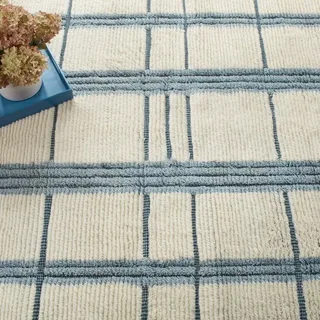
You walk into a room, and your eyes immediately go to the floor. A stunning, textured piece of art anchors the furniture, bringing warmth and character to the entire space. This is the power of a hand-knotted rug. These pieces are not just floor coverings; they are woven narratives that carry centuries of tradition, skill, and cultural identity.
In a world dominated by mass-produced decor, the allure of the handmade remains strong. People crave authenticity. They want items that tell a story. Hand Knotted Rugs offer exactly that. They represent a connection between the artisan’s hands and your home. For those in Delhi looking to bring this artistry into their living spaces, The Ambiente stands out as a premier destination. Located in Sultanpur, this design-led atelier bridges the gap between the historic looms of Bhadohi and the modern Indian home.
The History and Art of the Knot
The history of carpet weaving is vast, stretching back thousands of years. It likely began as a nomadic necessity, providing warmth and protection from the ground. Over time, it evolved into a high art form, graced by emperors and coveted by collectors.
The process of creating these rugs is incredibly labor-intensive. It requires patience that is rare in modern manufacturing. A master weaver sits at a vertical loom, tying individual knots onto the warp threads. They cut each knot by hand. This process repeats thousands, sometimes millions, of times for a single rug.
Depending on the complexity of the design and the fineness of the weave, a single carpet can take anywhere from a few months to over a year to complete. The density of these knots determines the durability and value of the piece. This is why no two hand-knotted rugs are ever truly identical. Each one bears the unique signature of the weaver’s hand tension and artistic choices.
Cultural Significance Woven in Wool and Silk
Rugs do more than cover floors; they reflect the culture of their origin. In India, carpet weaving has a rich history, particularly influenced by the Mughal era, which introduced Persian techniques to Indian artisans. Over centuries, Indian weavers adapted these styles, creating a distinct identity known for vibrant colors and intricate flora and fauna motifs.
Handmade Rugs in India serve as cultural archives. The motifs often carry specific meanings—symbols of protection, abundance, or stories from local folklore. In regions like Bhadohi, known as the “Carpet City” of India, weaving is a way of life. It is a skill passed down through generations, maintaining a link to the past while supporting the community’s present economy.
Owning one of these rugs connects you to this lineage. It brings a piece of Indian heritage into your daily life, serving as a reminder of the human capability to create beauty through discipline and tradition.
The Ambiente Approach: Tradition Meets Modernity
The Ambiente understands that while the technique is ancient, the design must fit contemporary lives. Founded by Avani Khandelwal and Ayush Baranwal, the brand draws on over 30 years of expertise from its parent company, Bhadohi Carpets. They saw a gap in the market. Customers wanted high-quality craftsmanship but often found traditional designs too heavy for modern apartments.
The Ambiente solves this by blending age-old weaving techniques with fresh, modern aesthetics. They experiment with textures and colors to create rugs that feel right for today’s homes.
Empowering Artisans
A crucial part of The Ambiente’s mission involves the people behind the looms. The brand works with a network of over 4,000 women weavers. In an industry often dominated by men, this is significant. By providing sustainable livelihoods, The Ambiente ensures that the craft survives and thrives. When you choose to buy rugs from their collection, you support an ecosystem that values the artisan as much as the art.
Located at Pillar No. 11B on Mehrauli-Gurgaon Road, their flagship store offers a tangible experience of this quality. Whether it is a bespoke piece or a ready-to-ship design, every rug reflects a commitment to ethical production and superior quality.
Why Invest in Hand-Knotted Rugs?
You might wonder if the investment is worth it. Why choose a hand-knotted piece over a machine-made alternative? Here are three compelling reasons.
1. Unmatched Durability
Machine-made rugs often use synthetic glues to hold the fibers together. Over time, this glue breaks down, and the rug falls apart. Hand Knotted Rugs do not use glue. The knots themselves hold the rug together. This structural integrity means these rugs can last for decades, often becoming family heirlooms passed down to the next generation.
2. Unique Character
A machine produces perfect, identical copies. A human hand creates character. Slight variations in color (known as “abrash”) or weave are not flaws; they are proof of authenticity. This uniqueness adds depth and personality to your interior design that mass-produced items cannot match.
3. Investment Value
Unlike most home decor items that lose value the moment you buy them, high-quality handmade rugs often retain or even increase in value over time. They are considered art pieces. As the number of skilled artisans dwindles globally, the value of true craftsmanship continues to rise.
The Lasting Value of Craft
We often rush through life, surrounded by disposable objects. Choosing a hand-knotted rug is a decision to slow down and value quality. It is a choice to support Handmade Rugs in India and the artisans who create them.
The Ambiente brings this exquisite craftsmanship to the forefront. By combining the heritage of Bhadohi with the design needs of modern New Delhi, they offer a product that honors the past while looking firmly at the future. If you are ready to transform your space, visit their store in Sultanpur. Experience the texture, see the vibrant colors, and find the piece that speaks to your home’s unique story.