


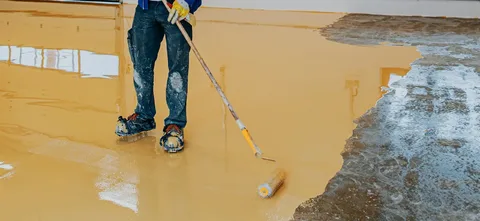
A well-installed epoxy floor depends on more than a clean slab and a fresh coat. Adhesion failures often come from hidden factors beneath the surface, long before the material ever cures. Homeowners and facility managers want epoxy flooring in Huntsville AL that lasts, and that begins with understanding the methods that keep coatings bonded for the long term.
Surface Profiling Steps That Secure a Dependable Epoxy Bond
Strong adhesion begins with the right surface profile, because epoxy needs texture to grip the concrete tightly. Mechanical grinding or shot blasting opens the pores of the slab so the coating can physically anchor itself into the surface. This process removes weak layers, paint, and previous coatings that would otherwise interfere with bonding.
A proper profile also ensures the epoxy spreads evenly and maintains consistent thickness. Technicians installing epoxy floor coating in Huntsville AL rely on industry profile standards to match each system with the correct level of roughness, especially for high-traffic spaces.
Moisture Control Measures That Keep Coated Floors from Lifting
Concrete naturally releases moisture, and if vapor pressure rises beneath a coating, it causes bubbles and eventual delamination. Moisture testing provides a baseline reading so installers know whether the slab is suitable for epoxy floors in Huntsville AL or if mitigation is needed.
Slab sealers, moisture barriers, and proper drainage reduce vapor transmission. Floors that receive heavier moisture exposure—like those in garages—often need extra protection before installing an epoxy garage floor in Huntsville AL to avoid future lifting.
Primer Selections That Strengthen Adhesion on Concrete Bases
Primer acts as the bridge between raw concrete and the final epoxy layer. Different primers are designed for various concrete conditions—porous slabs, dense slabs, older surfaces, or those with minor contamination. Using the right one helps seal the surface and increase the epoxy’s mechanical and chemical grip. Higher-build primers are especially valuable for Huntsville epoxy flooring applications where the slab shows uneven absorption. By evening out the concrete’s density, they create a consistent bonding surface that reduces weak spots beneath the coating.
Repair Work That Stabilizes Cracks Before Epoxy Application
Cracks form natural breakpoints where epoxy adhesion can fail if not properly repaired. Before any coating goes down, technicians fill and stabilize these openings with compatible repair materials that integrate with the coating system. This prevents movement that could cause the epoxy to shear or peel later.
Structural cracks require deeper stabilization, while hairline cracks need surface sealing to ensure the epoxy doesn’t seep in unevenly. Huntsville epoxy floor coating crews understand how crack types influence long-term adhesion and adjust repair methods accordingly.
Cleaning Practices That Remove Residues Affecting Coating Grip
Dust, oils, and construction residue create invisible barriers that stop epoxy from bonding. Surface cleaning isn’t just sweeping—it involves degreasing, vacuum extraction, and the removal of micro-dust that grinders leave behind. Proper cleaning restores the concrete’s natural texture so epoxy can anchor itself. Certain residues, like automotive fluids or old sealers, require additional etching or solvent treatment. Epoxy floors in Huntsville AL remain far more durable when technicians take time to fully remove contaminants instead of coating over them.
Temperature and Cure Settings That Support Lasting Adhesion
Epoxy chemistry depends on temperature. If it’s too cold, the coating thickens and fails to penetrate the slab; too warm, and it cures faster than intended, weakening the bond. Installers track ambient and surface temperatures to make sure conditions fall within the manufacturer’s recommended range.
Humidity also affects cure rates. Huntsville epoxy floors may require careful scheduling during seasonal shifts to avoid slow curing, surface blush, or tacky finishes. Consistent cure conditions ensure the coating forms a strong, unified layer.
Installation Timing That Prevents Early-layer Separation
Epoxy systems often include primer, base coat, and topcoat layers. Each layer needs the correct window of time before the next is applied. If the previous layer sets too long, it may require mechanical abrasion to re-open its bonding surface. If applied too soon, the layers may trap solvents or air, weakening adhesion.
Coating installers coordinate timing so each layer chemically bonds with the next, creating a seamless system. Huntsville epoxy garage floor jobs especially benefit from correct timing because vehicle traffic and temperature swings demand maximum bond strength.
Bond Testing Methods That Confirm Coating Readiness
Pull tests, tape tests, and scratch tests verify whether the surface is ready for coating and whether the cured epoxy has bonded properly. These checks help identify weak spots before the area is fully put into service. Bond testing offers assurance that the coating will perform as expected under real-world stress.
Some tests are done before applying epoxy, while others occur after curing. Huntsville epoxy floors installed with documented bond testing typically deliver longer performance and fewer warranty issues. For homeowners and businesses wanting dependable adhesion and long-lasting coatings, Rocket City Epoxy provides professional installations backed by proven preparation and bonding methods.